














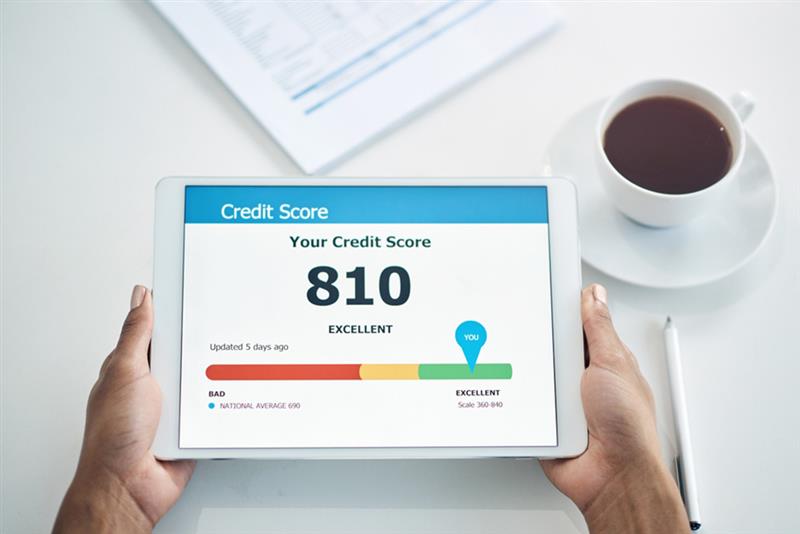
Credit score has quietly become one of the most powerful tools in your financial life in today’s economy, where quick loans and “buy now, pay later” options are more accessible than ever. Your credit history could be the deciding factor for that extra fund you need so badly to complete a project or purchase an important item. But what exactly is a credit score, and how does it affect your future?
What Is a Credit Score?
A credit score is a numerical representation of how well you manage your debts. It’s calculated based on your loan repayment history, outstanding debts, and how often you borrow money.
In Nigeria, your credit score is generated by licenced credit bureaus such as:
These agencies collect data from banks, loan apps, telcos, and other lenders to create your profile.
Credit Score Range
781 – 850: Excellent
661 – 780: Good
601 – 660: Fair
500 – 600: Poor
300 – 499: Very Poor
Why Your Credit Score Matters
Loan Approvals
If you’ve ever applied for a loan through the bank or other lending platforms, your credit history was likely checked, even if you didn’t know it.
Good credit score: Easier approval, higher loan amounts, and better interest rates.
Poor credit score: Smaller loan amounts, higher interest, or outright rejection.
Some apps and institutions even blacklist you if you default, and this reflects on your credit report across multiple platforms.
Interest Rates
Lenders use your credit score to calculate risk. If your score is low, they assume you’re more likely to default and may offer you loans with higher interest rates.
Example: You and your friend apply for ₦200,000 loans. You get 24% interest because you’ve missed payments in the past. She gets 15% because of a clean history and high score.
Access to Better Financial Products
With a strong credit score, you’re more likely to:
Qualify for higher loan limits
Get quick approval without collateral
Access rent-to-own or installment-based services (like smartphones, appliances, etc.)
Impact on Renting a Home or Business Credit
Some landlords and real estate agents, especially in places like Lagos, Abuja, and Port Harcourt, are beginning to request bank statements to ensure tenants can pay consistently.
Also, if you’re a business owner looking for an SME loan from commercial banks or other lenders, your personal credit score might still be reviewed.
How to Improve Your Credit Score
Pay your loans on time, even small ones. Avoid defaulting.
Check your credit score regularly.
Use financial tools wisely. Avoid borrowing from multiple sources at once.
Don’t ignore bills tied to your BVN, such as utility bills or telecom loans.
How to Check Your Credit Score in Nigeria
You can check your credit score via:
CRC Credit Bureau
CreditRegistry Nigeria
FirstCentral Credit Bureau
Your credit score can either help you access opportunities, like low-interest personal loans, business credit, and other financing needs, or lock you out of them. In a fast-paced society like ours, being creditworthy gives you an edge.
Borrow wisely, repay as and when due, and check your credit score regularly. Your future self will thank you.