














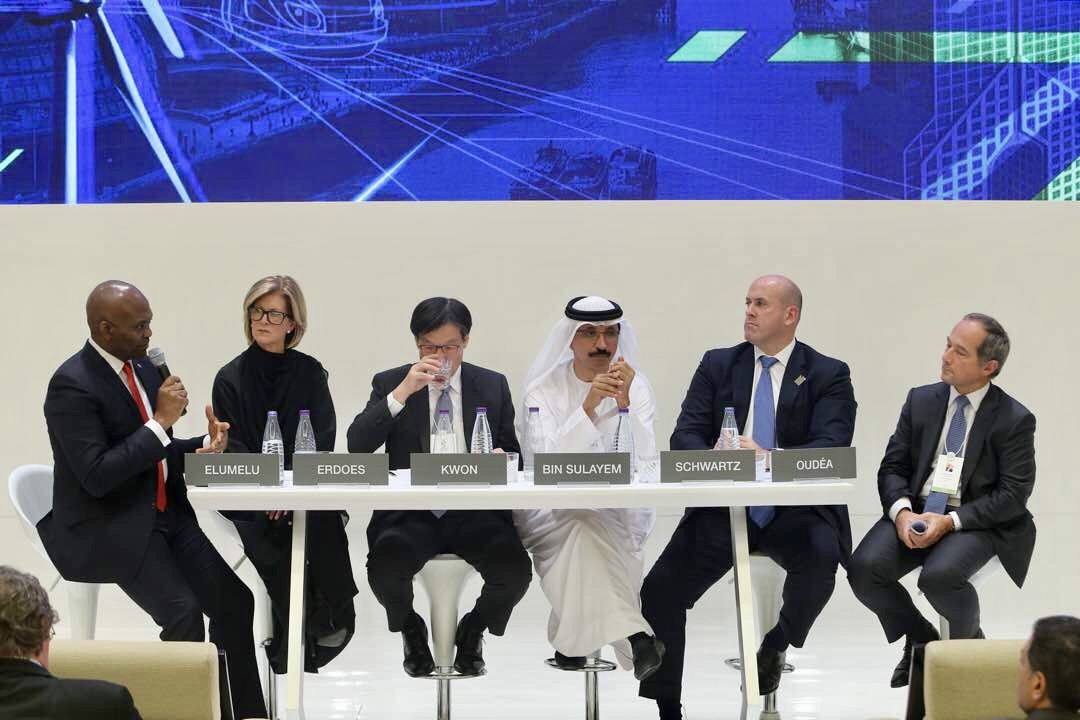
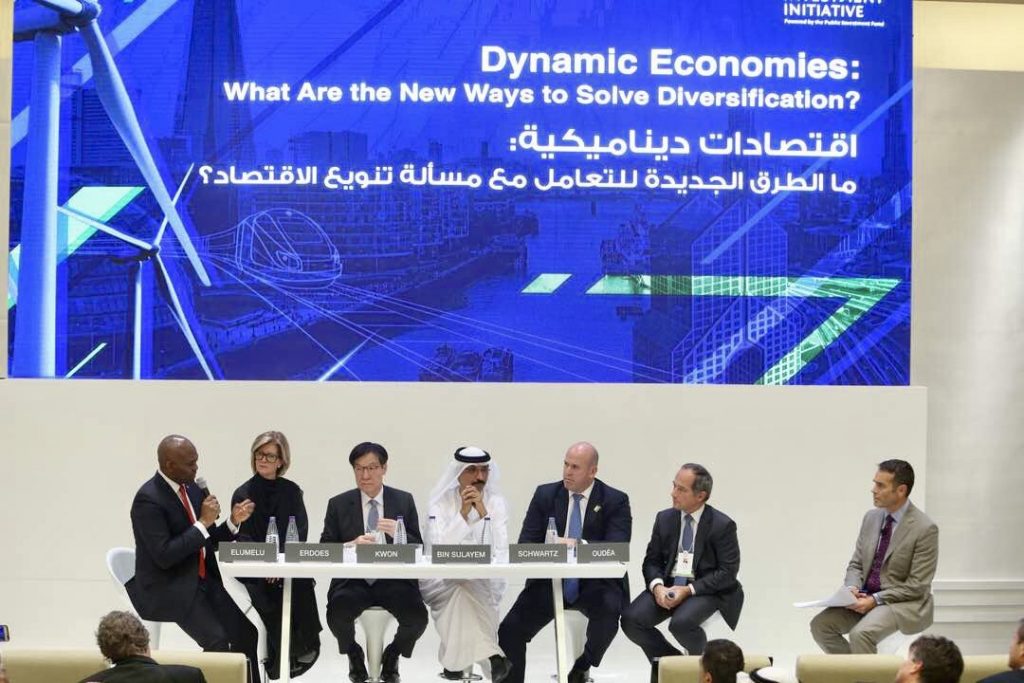
Representing
the African business community upon invitation from His Royal
Highness Mohammad bin Salman Al-Saud, Crown Prince, Deputy Prime Minister, of
the kingdom of Saudi Arabia, I spoke to leading business decision-makers,
innovators and CEOs to debate the topic “Dynamic Economies: What Are the New
Ways To Solve Diversification?”. This is a central question critical for all
developing nations, and centers around what economists label the Paradox of
Plenty, also referred to as the resource curse. Why is that countries with rich
natural mineral and fossil fuel wealth record slower economic growth, less
diversification and achieve poor economic outcomes? The cause is directly tied
to their record-high exposure to commodity price volatility. Very few countries
have solved this paradox, thus our discussion today in Riyadh was both timely
and relevant.
The
reality is that economic diversification starts with people. We have
seen from history that those countries and economies that have prioritised
their people in their planning have always been very successful. A major competitive
advantage for developing countries is the abundance of people and a very
youthful demography that we’re now witnessing. If we harness this youth bulge
strategically, we will certainly drive the desired economic diversification.
Related to this also is the ease of doing business – if we create the right
economic and business conditions, businesses will survive, and any sectors
you’re diversifying into, your chances of success are a lot more assured.
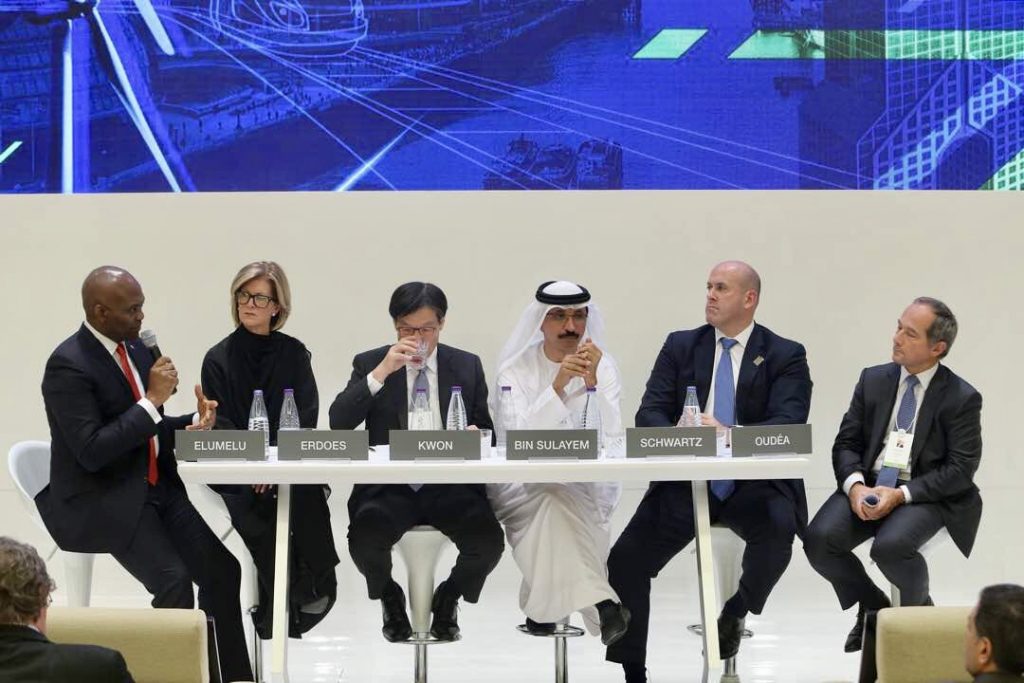
Entrepreneurship
is a bottom-up approach to economic diversification. Essentially, it is about
trying to encourage our young ones to become entrepreneurs, ultimately
realising that they will drive the diversification process. I come from Africa
where we have huge unemployment challenges and we rely extensively on
commodities. To diversify the economy in a sustainable way, we must realise the
way of achieving this is by supporting entrepreneurs to create the millions of
jobs needed by applying their creativity, talent and innovation to solve local
problems. Entrepreneurship improves lives of families, communities and
countries.
Through
the Tony Elumelu Foundation, we are empowering African entrepreneurs by
supporting them with US$10,000 in seed capital, training, mentoring from global
professionals, seed capital, and active networking. The real-time impact is
that we are seeing young people contributing to the diversification of their
economies, going into different sectors, and as the ease of doing business
improves, they’ll no doubt get to the top. Some of our entrepreneurs now have
$1.6m dollar turnover from $10,000 we gave in seed capital. From starting with
a staff of 2, some of our entrepreneurs now employ up to 20, 30, and even over
100 people! Imagine the diversification we will see when we have supported
thousands of such people.
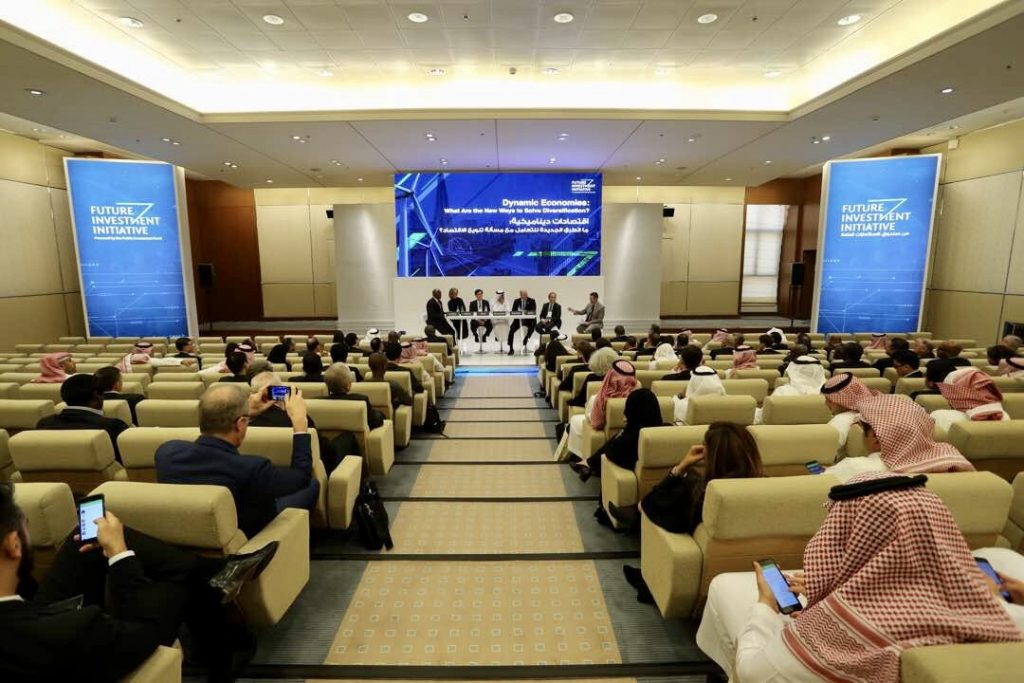
Let
us prioritise our people: male and female – no discrimination. When a woman
succeeds, the family, the community succeeds. We must break diversification
down to people and gender equality/support. We believe that in the 21st
century, any economy serious about diversification, must prioritise
entrepreneurship. Entrepreneurship is about opportunity, quality of life, and
giving hope. SMEs are the cornerstone of all economies. In US alone, SMEs
create over 80 million jobs.
In
summary, it’s all about inclusive growth. I personally have a new paradigm
contextualising this philosophy, called “Africapitalism”. Africapitalism is the
intersection of business prosperity and social wealth: Do good and do well
simultaneously. In my over 30 years of doing business, I have recognised that
what is good for big business is good for small business. We must engage
government to play its own role – not just in making sure the economic
environment is alright, but by ensuring it is consistently prioritised.
This is what we emphasize in Africapitalism – the private sector has a role to
play in social and economic development of the people and it is best achieved
through long term investment in key sectors that help to catalyse growth. Ultimately
this is where we need to be in our quest to move the world forward.