












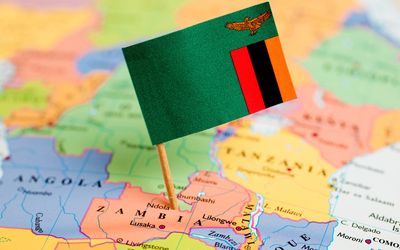
Zambia, in southern Africa, is a landlocked country of rugged
terrain and diverse wildlife, with many parks and safari areas. On its border
with Zimbabwe is famed Victoria Falls – indigenously called Mosi-oa-Tunya, or
“Smoke that Thunders” – plunging a misty 108m into narrow Batoka Gorge.
Spanning the Zambezi River just below the falls is Victoria Falls Bridge, a
spectacular viewpoint.
Zambian People
There are roughly 72 ethnic groups represented in Zambia, most
of which are Bantu- speaking tribes. The majority of Zambians fall into 9 major
ethnic groups including: Nyanja- Chewa, Bemba, Tonga, Tumbuka, Lunda, Luvale,
Kaonde, Nkoya and Lozi
of which are Bantu- speaking tribes. The majority of Zambians fall into 9 major
ethnic groups including: Nyanja- Chewa, Bemba, Tonga, Tumbuka, Lunda, Luvale,
Kaonde, Nkoya and Lozi
Agriculture
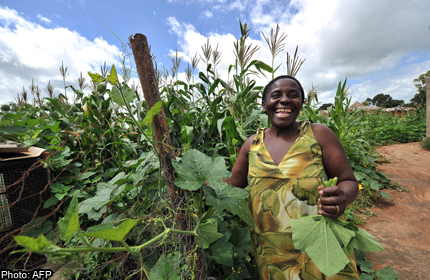
Zambia is endowed with a large land resource base of 42 million
hectares of which only 1.5 million hectares is cultivated every year. There are
abundant water resources for irrigation and the country has 40 percent of the
water in Central and Southern Africa.
hectares of which only 1.5 million hectares is cultivated every year. There are
abundant water resources for irrigation and the country has 40 percent of the
water in Central and Southern Africa.
Agricultural output in Zambia increased from 18 percent of the
Gross Domestic Product (GDP) in 2008 to about 20 percent of GDP in 2009. This
was as a result of increased area planted, good rainfall patterns in the whole
country, as well as favorable agriculture policies by the government. The
country recorded increased production of major crops during the 2009/10
agricultural season compared to the 2008/09 season, including; sunflower (118
percent increase), soya beans (50 percent increase), rice (39 percent
increase), maize (31 percent increase), tobacco (7 percent increase) and wheat
(5 percent increase).
The agricultural sector continues to be the backbone of the
Zambian economy as it contributes to the growth of the economy and also to
exports. Primary agriculture contribute about 35 percent to the country’s total
non traditional exports (all the country’s exports other than copper and
cobalt) and about 10 percent of the total export earnings
Zambian economy as it contributes to the growth of the economy and also to
exports. Primary agriculture contribute about 35 percent to the country’s total
non traditional exports (all the country’s exports other than copper and
cobalt) and about 10 percent of the total export earnings
Tourism
Zambia’s tourism sector is currently one of the country’s growth
potential areas. It has been given the non-traditional export status and is
receiving a lot of support from the Government by way of infrastructure
development, promotion of increased private sector participation, as well as
attractive tax incentives for all investments in the sector.
potential areas. It has been given the non-traditional export status and is
receiving a lot of support from the Government by way of infrastructure
development, promotion of increased private sector participation, as well as
attractive tax incentives for all investments in the sector.
Zambia’s tourism potential draws from its natural environment,
from which abound a variety of tourism attractions. The main tourism
attractions in the country include; the Victoria Falls (which is one of the
most renowned beautiful transcendental Seven Natural Wonders of the World), and
the wealth of wildlife spread out in the country’s 19 national parks and 34
game management areas with a total area of 65,000 km2. Furthermore the country
boasts of vast water falls, lakes and rivers, one of the largest concentrations
of bird species in the world, a rich cultural heritage and several monuments
spread across the country.
Energy
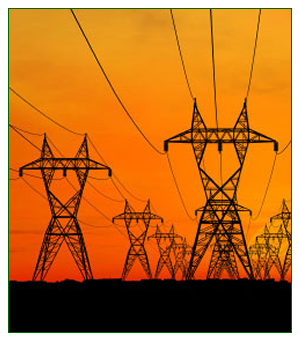
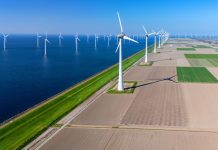
Zambia’s energy sources include; electricity, petroleum, coal,
biomass, and renewable energy. It is only petroleum which is wholly imported in
the country, while the country is basically self-sufficient in all the other
energy resources, as it has substantial unexploited reserves of these forms of
energy. The country’s economy has been growing at an average of 5 percent per
annum over the past 10 years and demand for energy has also been rising.
The demand for the most important energy source in the country –
electricity has been growing at an average of about 3 percent per annum mainly
due to the increased economic activity in the country especially in the
agriculture, manufacturing and mining sectors, as well as increased activity in
the region. Furthermore the country’s growing economy has also lead to an
increase in the demand for the other forms of energy such as petroleum and
coal, as these are key factors of production and operations in most economic
sectors. The demand for renewable energies has also seen significant growth in
the recent years as the market explores alternative sources of energy, with
renewable energies proving to be a viable alternative.
Mining Sector
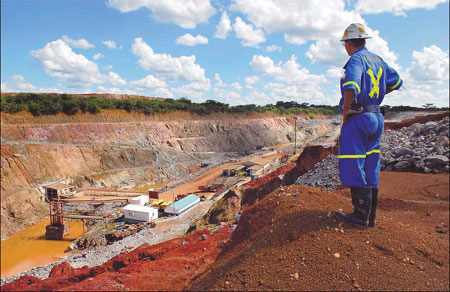
Zambia is Africa’s largest producer of Copper and Cobalt.
Although copper production was affected by low copper prices in the late 1990s,
Copper production has been increased since 2000. It increased to 572,793
tonnes in 2007 from a low of 256,884 tonnes in 2000, representing an increase
of over 100%. The rise in copper production over the years is attributed
to investment in rehabilitation of infrastructure and technological innovations
in existing mines, the coming on board of new mines and the increase in
existing mines, the coming on board of new mines and the increase in
small-scale copper mining activities. Copper production has been
increasing over the recent past from 575,000 metric tonnes in 2008 to 665,000
metric tonnes in 2009 and to about 700,000 metric tonnes in 2010. This
has been due to increased capacity utilisation facilitated by the continued
increase in metal prices on the international markets.
The Zambia Development Agency Act provides for incentives for
companies investing substantial amounts in the mining sector in the country.
The Act provides for the investment thresholds that investors have to meet in
order to qualify for fiscal and non-fiscal incentives. Currently the threshold
is; investments of US$ 500,000 and above qualify for the incentives.