














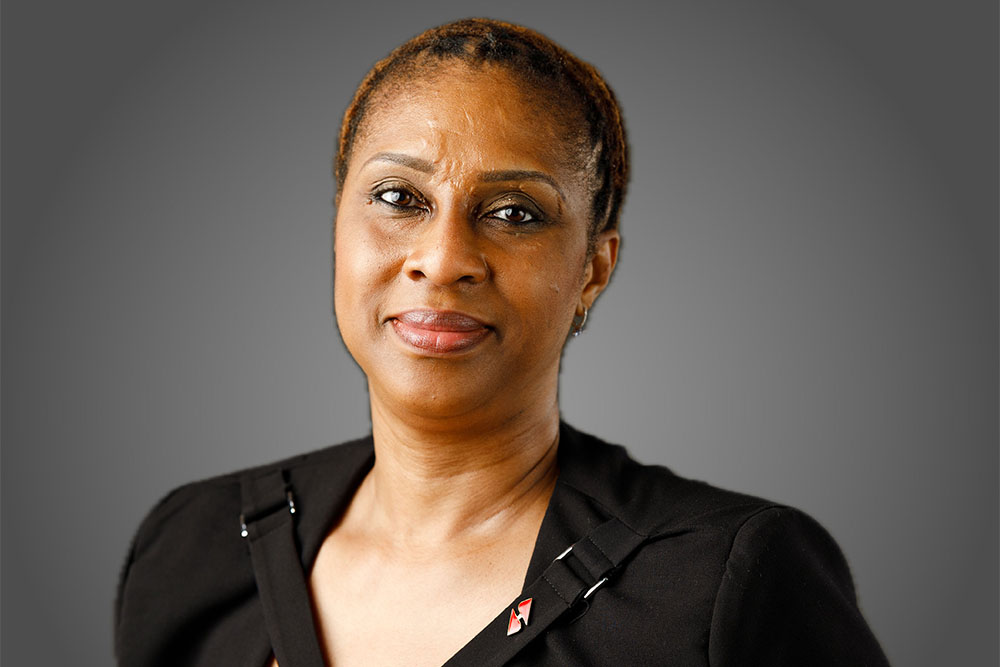
By Uzoamaka Oyeka, Head, Customer Fulfilment Centre, UBA Plc
I thought of authoring this article with empirical data from published research to support my submission, but as I processed my thoughts, I tilted towards ‘MY REALITY’ because this is, after all, my article.
The internet is riddled with papers on how women in leadership increase overall business productivity, foster team collaboration, inspire organisational dedication and create environments where fairness and meritocracy thrive. However, statistically, only 10.4% of Fortune 500 companies have women at the helm of affairs. (Statistica, Forbes)
Leadership roles are male-dominated, and female representation at executive and c-suite levels of organisations is limited with an unwritten threshold or quota regardless of academic or professional qualifications, while organisations with female representation use this as bragging rights.
Equality, gender equity, gender bias, and representation/diversity hires have been justifications for women in leadership positions, and women who broke barriers contend with ‘1st Female’ preceding their titles as opposed to their male counterparts who are addressed simply by their titles—case in point: Ngozi Okonjo Iweala, President, WTO.
However, forward-thinking businesses like the UBA Group are now undergoing great transformations from the ‘softer touch’ of women. I am particularly pleased that Nigerian deposit money banks are experiencing this paradigm shift as more female CEOs are being appointed and, I dare say, championing the business transformation thrust. More than 45 percent of the UBA Group Board is female. Is it the empathy we display, our innate maternal nature, our communication skills or our sensitivity that makes us people-centric?
Because women are resilient and adaptable to change from the adversities faced climbing the corporate ladder we exhibit extraordinary emotional intelligence, adaptability, and focus on team building and inclusivity.
Empathy and emotional intelligence, which are often termed as sensitivity are attributes that come as second nature to all females as we possess the innate ability to understand and be attuned to our emotions alongside the emotions of others.
Despite the multiple setbacks women face juggling careers with their personal lives (pregnancy, childbirth and maternity leaves), we channel double that energy into our leadership roles.
It is, therefore, imperative that organisations recognise and harness the potential of women in leadership positions and also important that women engage in business transformation journeys and not just in softer departments like Human Resources.
Women bring unique cultural perspectives and insights that can help businesses build stronger, more customer-centric strategies. However, a report by Gartner found that women occupy only 39% of CX leadership positions globally. Something to consider! I had a coffee table conversation with a group of women who feel they have had to work twice as hard to get the recognition they now have and their submission on how they drive business transformation for improved customer satisfaction is underlisted.
- They lead by example: They are intentional and not instructive. People will do what you do and not what you say.
- They lead with empathy and try to build emotional connections: Women drive/foster collaboration with emotional intelligence to deliver exceptional performance.
- Active listening and effective communication: Active listening is crucial for effective leadership. Women will take the time to understand the concerns and aspirations of their team members, which fosters a sense of belonging and loyalty.
- Women can be brutally honest: Often misconstrued as being defensive, sentimental, or highhanded. However, honesty drives sober reflection, sets expectations, and delivers behavioural change.
- Empowerment and people development: Women develop and nurture talent. We think of the well-being of our people.
That said, I celebrate ALL women who get up daily, put on their game faces, dress to kill in extremely uncomfortable heels, manage homes, lead in business, and pave the way for inclusivity in organisations. You are the real MVPs.
Read Also: The Power of Women’s Leadership in Shaping Innovative and Empathetic Customer Experience