












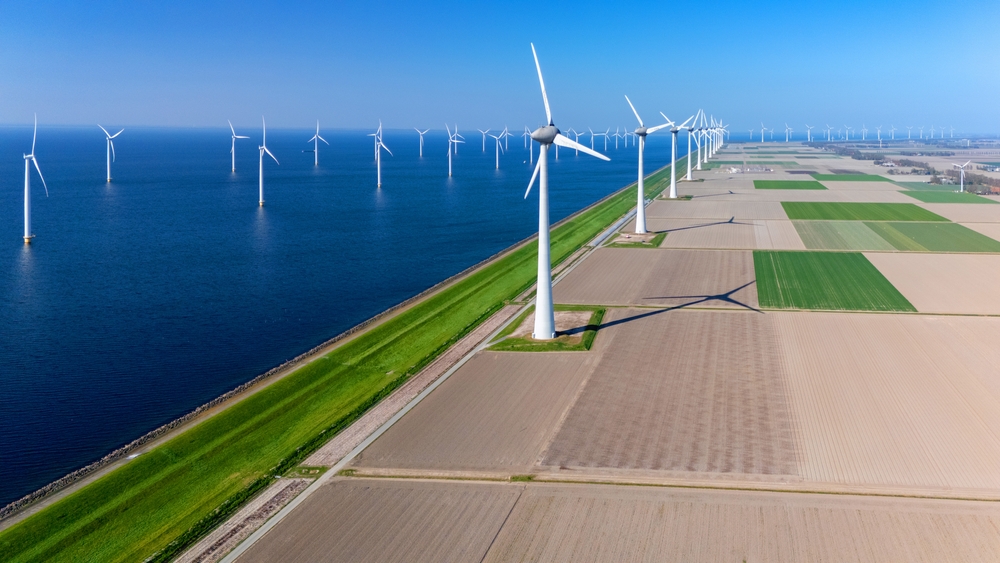
Living sustainably doesn’t have to mean expensive lifestyle changes or a complete overhaul of your daily routine. Sometimes, it starts with simple decisions, such as reducing energy waste, choosing energy-efficient appliances, and exploring cleaner electricity sources.
In Nigeria, where reliable power supply remains a concern for many households and businesses, solar energy offers an opportunity to rethink how we power our everyday lives.
As we mark Climate Week, it is worth considering how practical choices can support a more sustainable future while helping us manage our energy needs.
What Does Sustainable Living Really Mean?
Sustainable living is about making choices that reduce environmental impact while making responsible use of available resources. It can be as simple as switching off unused appliances, reducing waste, reusing household items and choosing products that consume less energy.
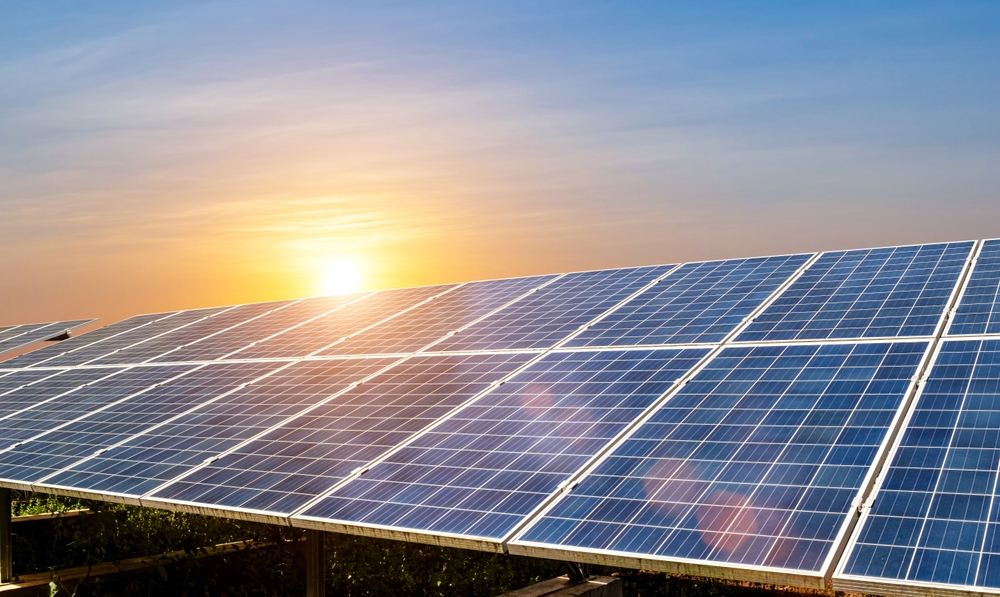
Energy use is another important part of the conversation. Electricity generated from fossil fuels contributes to greenhouse gas emissions, while solar power harnesses energy from the sun to generate electricity without direct emissions during operation.
For Nigerian households and businesses looking to become more energy-conscious, solar power is one option worth exploring.
Simple Ways to Make Your Home More Energy-Efficient
You do not need to make every change at once. Start with practical steps that can fit into your everyday routine.
1. Make better use of natural light
Open your curtains during the day and take advantage of natural lighting where possible. This can reduce the need to switch on electric lights unnecessarily.
2. Choose energy-efficient appliances
When replacing appliances, consider their energy consumption alongside their purchase price. Energy-efficient appliances can help reduce electricity demand over time.
3. Switch off what you are not using
Turn off lights, fans and other appliances when they are not needed. Small habits, practised consistently, can help reduce unnecessary energy consumption.
4. Explore solar energy
Solar power can provide an alternative source of electricity for homes and businesses. Depending on the system installed, it can power essential appliances, reduce dependence on grid electricity and limit the need to run petrol or diesel generators.
The right system depends on your energy consumption, budget, available space and the appliances you intend to power.
Making the Switch to Solar Without Paying Everything Upfront
One of the considerations when moving to solar power is the initial cost of purchasing and installing the system. Although solar energy can offer long-term benefits, the upfront investment may be a barrier for households and businesses that would otherwise like to make the switch.
This is where financing can make a difference. With UBA Asset Finance, eligible customers can explore financing for solar power solutions for as low as N300,000 and spread repayment over time. The flexible repayment plan allows eligible customers to finance a solar solution without having to fund the entire purchase cost upfront.
By making solar equipment more accessible through financing, the goal is to help customers explore an alternative power source while managing the initial cost of the investment.
Before applying, consider your household or business’s energy requirements, the cost of the proposed installation, your expected repayments and the system’s maintenance needs. Actual savings will depend on your electricity usage, the system installed and the amount of conventional power it replaces.
A More Sustainable Future Starts With Practical Choices
Going green does not have to happen overnight. Reducing energy waste and exploring renewable energy are practical ways to begin.
This Climate Week, consider the changes you can make today and the investments that could support a more energy-conscious lifestyle tomorrow.
Ready to explore solar power for your home?
Send an email to consumerlending@ubagroup.com to get started.